

Why Is San Diego Such a Good Food City?
First of all, the geography has its impact on the cuisine of San Diego. There is the Pacific Ocean nearby, the cuisine is inspired by Mexico, and Southern California produces fresh local fruits and vegetables. Thus, there is enough diversity to incorporate seafood, tacos, Mediterranean flavors, contemporary Californian cuisine, and cross-border influences in the same districts. According to Eater, it is the fresh produce and seafood availability in addition to good Japanese cuisine that make the food culture of San Diego unique.
Additionally, there is a lack of pressure to ensure all memorable meals are formal. Some of the memorable meals may take place in sophisticated restaurants, while others are served in neighborhood restaurants, taco stands, patios, breweries, cafes, and even some chefs’ restaurants. The favorable climate conditions allow dining outdoors throughout the year; indeed, San Diego Tourism especially mentions dining opportunities outside that cover Little Italy and North Park to Embarcadero and beach towns.
Where to Eat Around San Diego
In Downtown, it is possible to find the most diverse array for tourists interested in food, nightlife, hotels, entertainment, and other attractions located near each other. Searches for the best restaurants in downtown San Diego may coincide with searches for the Gaslamp Quarter, since dining in the area varies from casual patios and pre-event dinner to steakhouses, seafood restaurants, international cuisine restaurants, rooftop bars, cocktail lounges, and late-night bars. Gaslamp Quarter comprises more than 16 blocks and is among the main entertainment districts of the city.
Just a stone’s throw away is the distinct personality of Little Italy. While the Italian culture is still significant in the neighborhood, it has gone past its typical red-sauce cuisine. Pasta, pizza, modern American cuisine, seafood, Japanese cuisine, coffee, wine, cocktails, brunch, and chef-driven restaurants are now present in the small walkable space. This is one reason why competition is keen in searching for the best restaurants in Little Italy, San Diego. The background of the area has something to do with the past tuna fishing industry in the city, while the current community is all about combining its past with an extensive food culture.
The North Park and Hillcrest areas offer a bit more of a residential setting with the inclusion of coffee shops, bars, kitchenettes, international cuisines, breakfast joints, and dinner places. The Convoy district is another must-go area for ramen, Korean barbecue, Chinese food, Vietnamese food, Japanese food, desserts, and other Asian cuisines. North Park dining and nightlife are all centered around University Avenue and 30th Street.
There are variations due to coastal neighborhoods. While La Jolla is good for areas that have beautiful surroundings and an elevated ambiance, Pacific Beach, Mission Beach, and Ocean Beach have a much more laid-back feel. Old Town is known for its Mexican cuisine and its past, and Coronado brings bay and ocean settings from across the bay from downtown. The movement from district to district is an integral part of the dining experience in San Diego since each neighborhood has its own distinctive feel rather than being another branch of the downtown area.
What Food Is San Diego Known For?
Mexican cuisine is inseparable from the culture of San Diego. It is not possible to miss tacos, burritos, birria, carne asada, fish dishes, home-made tortillas, regional dishes, and Cali-Baja cuisine in this place. Its location close to Mexico has led to the natural exchange of ingredients and cuisine traditions rather than to the establishment of one certain type of cuisine. Barrio Logan is a particularly important neighborhood in terms of the Mexican-American cuisine tradition.
Seafood is yet another clearly marked strength point, but there is a wide range even inside this one type of cuisine. One may come across fish tacos, seafood with drinks, fish grilled outside, sushi, sashimi, Mediterranean seafood, and a fine tasting menu. Those searching for the best seafood places in San Diego also have other things on their minds, like outdoor dining or specific views, dates, or celebrations. Coast affects not only the menu itself but also how people want to eat that menu.
Italian and Asian food represent other areas in which the city has clear search interests. Little Italy brings its pasta, pizza, and local Italian food into the mix, while the Japanese cuisine in San Diego has developed quite a reputation. Sushi, omakase, ramen, Chinese, Korean, Vietnamese, Thai, Indian, Filipino, and Mediterranean cuisines diversify the food culture of the city far beyond the beach and taco stereotype. So do the current choices of Michelin, covering Mexican, Italian, Japanese, seafood, and Mediterranean, among others.
Restaurants With Ocean Views, Waterfront Tables, and Rooftops
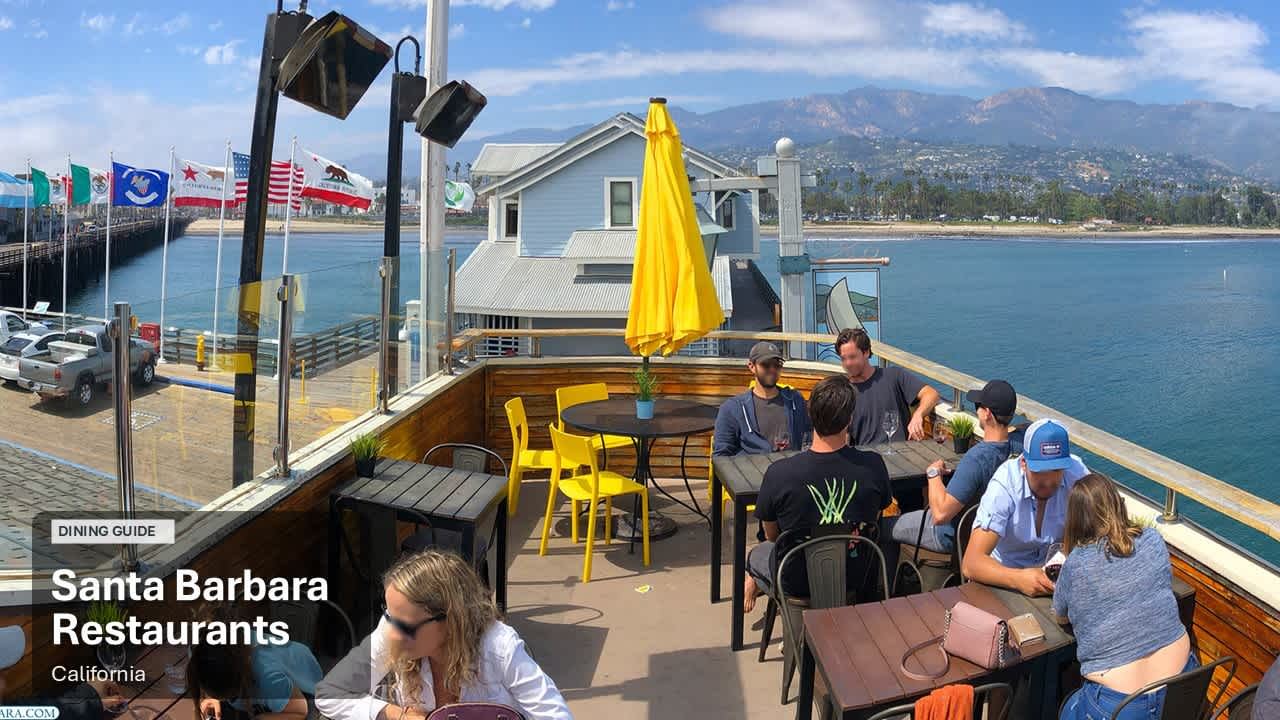
In some cases, the setting may have just as much relevance as the food served. The search for a restaurant with a view in San Diego makes perfect sense considering that it is a city with beaches, bays, harbor scenery, and the elevation in the downtown area. The Embarcadero and Harbor Island can provide skyline and bay views, while La Jolla offers beautiful views of the Pacific Ocean, and Coronado provides views of the downtown waterfront.
Rooftops of the urban area can serve as an alternative choice for sunset drinks and dinners without leaving the city. There is no doubt that outdoor dining plays a significant role in San Diego, and it becomes possible because of the climate, described as having 270 clear days in a year by the San Diego Tourism Authority.
From Breakfast to Date Night: Choose a Place for the Occasion
The question of breakfast in San Diego deserves some more attention since it is a topic not always considered. The presence of cafes, bakeries, beach areas, patios, and the brunch tradition makes eating breakfast an intentional activity in San Diego. Search interest in the best breakfast restaurants in San Diego is very high and includes all types of food, including coffee and pastry, eggs, pancakes, Mexican-style breakfast dishes, healthy meals, and brunch.
It is much easier to stick with a more relaxed attitude to lunch. Options such as tacos, sandwiches, salads, burgers, noodles, pizzas, seafood, and cafes will give the guests many options without making lunch an important reservation. This is also the right time to check out some budget-friendly restaurants, especially if the plan is for dinner to be a more elaborate choice.
A family is unlikely to find itself in a situation when it has to choose from the fast-food options only. Local pizzerias, Mexican kitchens, breakfast cafes, restaurants with terraces by the sea, hamburgers, and Italian cuisine are likely to appeal to families better than tasting menus. For those who travel with their pets, outdoor terraces are quite common, and finding a dog-friendly restaurant can also lead to good results.
A couple is more likely to be surprised by how easily a casual city becomes romantic. Sunset dinners at the beach, terraces with a view of the sea, dimly lit Italian restaurants, sushi bars, cocktail lounges, and tasting menus all have their own unique appeal. It should be noted that romantic restaurants in San Diego are not necessarily expensive—atmosphere, service, noise level, scenery, and possibility to stay long are also crucial criteria. In fact, San Diego’s tourism organization names the same key criteria for a romantic dining experience: ocean views, tasting menus, cocktails, and coastal locations.
At the opposite end of the spectrum to taco stands and laid-back beach dining, there is fine dining, but the food is by no means isolated from the rest of the city. Diners can enjoy chefs’ tasting menus, omakases, Californian cuisine, steakhouses, and the many restaurants recognized by Michelin for such occasions as birthday parties, anniversary celebrations, or business dinners. It may be advisable to make reservations when the restaurant space is small, the dining is at a counter, and the menu is created based on a limited number of seatings per day. According to Eater, tasting menu dining has gone beyond its Japanese origins into other styles.
Vegan, Vegetarian, Gluten-Free, Halal, and Kosher Dining
Eating vegetarian is now much easier to incorporate into your travels, with vegan restaurants being available in addition to other kitchens where plant-based food, vegetarian tacos, salads, Mediterranean cuisine, Asian cuisine, and California fusion restaurants are all available. Vegan restaurants in San Diego and vegetarian food options have appeared in your keyword research, meaning they can’t be ignored in terms of your webpage.
If you need to eat gluten-free, you may want to ask about any shared fryers, sauces, food preparation surfaces, and other factors. The same is true of any special religious eating requirements. While it seems logical that a menu that includes seafood, vegetarian food, or meat products looks like it would be halal or kosher, that may not always be the case.
What Should You Know Before Dining Out?
Timing and location are critical for reservations. Dinner spots in neighborhoods popular with tourists on Fridays and Saturdays tend to fill up early, and smaller tasting-menu or sushi bar-type restaurants often need more lead time. Casual breakfast, lunch, taco joints, and cafes are usually more open to impromptu visits, although weekend brunch might be another matter.
Parking can vary depending on the neighborhood. Downtown, Gaslamp, and Little Italy might be easier with a garage or other transportation like a trolley or Uber. Or if you’re staying at a hotel nearby, walking there should be easy enough. Parking can be a challenge in the residential neighborhoods, although if you’re planning on doing multiple places in one night, it makes more sense to stay within one walkable area. Even the Eater’s current must-reads now include parking and occasional recommendations in their reviews, showing just how important those factors have become.
Price varies greatly. You cannot expect to compare the prices of a taco lunch and an expensive dinner. It is always safer to look at menus in advance, especially if market pricing is used for seafood, wine pairings are available, a service charge is added, or the tasting menu changes seasonally.
Frequently asked questions
What type of food is San Diego famous for?
Among the most prominent cuisines in San Diego are Mexican foods and seafood, including tacos, burritos, fresh seafood, and Cali-Baja fusion. In addition, there are plenty of Italian restaurants as well as sushi bars and Asian restaurants.
Which district is best for dining in San Diego?
There isn't a universal choice of districts where you should dine in San Diego. The Gaslamp is good for the nightlife area and people coming to the city center, while Little Italy is good for dining and Italian cuisine. North Park is good for neighborhood restaurants and drinking. La Jolla is a good choice if you want a view of the coastline. The Convoy district is famous for Asian cuisine.
Where can I dine to have views of the sea or waterfront?
Consider areas such as La Jolla, the Embarcadero, Harbor Island, Mission Bay, beach towns, and Coronado. It will all depend on what you need — whether you want to have a view of the Pacific Ocean, the marina view, the skyline downtown, or something casual by the beach.
Is there a place for vegetarians and vegans in San Diego?
Yes, there are. Vegetarian restaurants as well as meatless menus can be found in a number of districts, offering a range of cuisines, including Mexican, casual cafés, Asian, Mediterranean, and Californian cuisine.
Which is the best neighborhood for Italian cuisine?
Little Italy would be a natural first choice. The restaurant neighborhood combines traditional Italian influence along with a variety of other restaurants, cafés, bakeries, wine bars, patios, and other foreign cuisines, making it very helpful when not everyone in the party wants to eat the same kind of food.
Do I have to make restaurant reservations in San Diego?
Not all places require this. Reservations will prove most useful during peak dinnertime, romantic dinners, special occasions, tastings, omakase stations, and weekend brunches that people try to get.

Comments (0)
No comments yet. Be the first to join the conversation.