

Why this city is such a strong food destination
The cuisine in the city is defined not only by chefs but also by geography. The cuisine is greatly influenced by the Pacific Ocean and Bay, by the fruits and vegetables of Northern California farms, and by the dense urban neighborhoods, which leave some space for each cuisine to develop. This explains why eating in San Francisco turns out to be quite diverse despite the small area covered by the local restaurants.
It allows you to move from Chinese and Italian cuisine to Mexican, Japanese, Korean, Burmese, Vietnamese, Thai, Mediterranean, French, and modern California food without going anywhere. Some restaurants concentrate on preparing only one dish to perfection, while others will create long tasting menus that feature their techniques and seasons. That variety is one of the reasons why people looking for the best San Francisco restaurants plan on having several meals at once.
Where to eat by neighborhood
One of the most evident points to begin from if you are looking for dumplings, dim sum, roasted meat, noodle dishes, bakeries, teahouses, and different varieties of Chinese cuisine is Chinatown. You can find everything there for your breakfast, lunch, or even dinner depending on your preference. Other areas like downtown streets provide the opportunity to visit Union Square, the Financial District, and Embarcadero along with food and beverage places.
North Beach is famous because of the Italian-American cuisine. However, there is much more to be found in this place besides pasta and pizza. There are cafes, bakeries, seafood restaurants, bars, and new-generation Italian kitchens, as well as classical dining rooms here. If you are going to consider the best Italian restaurants in the city, then it is the place to visit.
The Mission District is one of the most diverse food-wise neighborhoods in San Francisco. The traditional flavors of Mexico and the Mission-style burrito are important, but bakeries, wine bars, tasting menus, pizzas, modern California cuisine, and fusion cooking can all be found here too. So you will find more to eat in Hayes Valley, SoMa, and the Castro not far away.
The locations of Fisherman’s Wharf, the Marina, Nob Hill, Japantown, and Union Square are perfect for different needs for those who stay in the area of popular sights. The wharf is suitable for seafood and views of San Francisco Bay; Japanese meals and sweets are easily available in Japantown, and Nob Hill is a great place to go to for a traditional evening out.
What food is San Francisco known for?
A number of dishes stand out when it comes to their connection to the city. Sourdough is undoubtedly the most famous type of bread, while Dungeness crab and cioppino are related to the close ties of local cuisine with the seashore. The Mission burrito is an entirely different example of a traditional dish, which is large and portable, just like many other restaurants in this famous neighborhood.
Dim sum is another key element of dining in the city, which becomes especially true in Chinatown and other areas with large Chinese community presence. The tradition of Italian-American cuisine has a long history too, but nowadays it can be seen alongside pasta bars and other restaurants with modern takes on California cuisine. Seafood continues to be popular too, from oysters and seafood counters to fine fish dishes and celebratory dinners featuring crabs.
The new identity is much wider and includes such cuisines as Burmese salads, Korean barbecue, Japanese omakase, Vietnamese sandwiches and noodles, Thai curries, Mexican tasting menus, Mediterranean food, and plant-based cuisine. An appropriate strategy for newcomers would be trying at least one or two traditional dishes and something representative of the current variety.
Good food at every budget
There’s no need for you to have a budget for fancy dinners to dine here well. Some of the places include taquerias, sandwich stands, bakeries, noodle joints, pizzerias, dumpling houses, casual Thai kitchens, and neighborhood cafes. It is during midday when one can easily get into a well-known area without making any reservations in the evening.
At the other extreme, there is an excellent tradition of tasting menus, omakase bars, steakhouses, and Michelin-starred restaurants. All these dining options are quite expensive, but the cost always depends on the length of service, quality of ingredients used, small room size, and complicated cooking technique involved. In between these extremes, there is a wide middle ground that allows for having a special meal.
Views, waterfront tables, rooftops, and outdoor seating
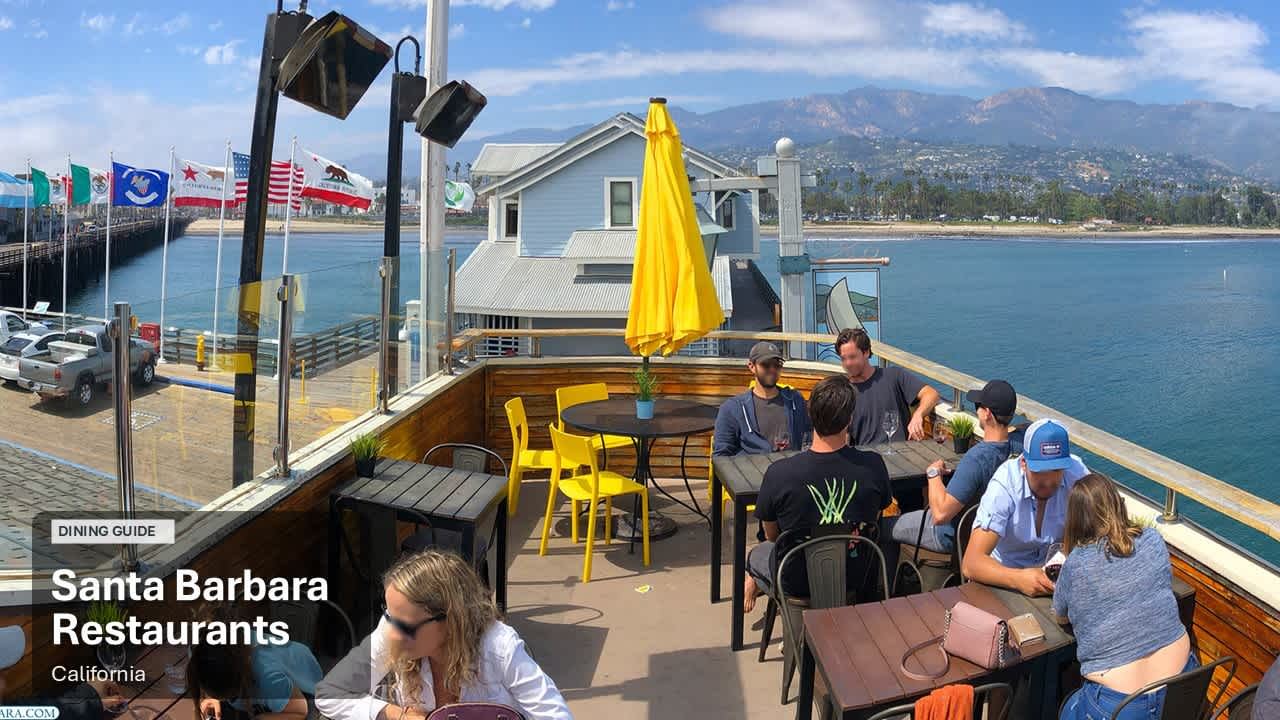
For restaurants that have a good view in San Francisco, check out Embarcadero, Fisherman’s Wharf, the Marina waterfront area, the Presidio, and the elevated downtown areas. You can utilize roof deck locations to gain views of the skyline, and patios and parklets are helpful if the weather permits. The surroundings are worth taking into account, but quality of the food, windiness, presence of the fog, and reservation timing are equally important, especially by the bay.
Vegetarian, vegan, gluten-free, halal, and kosher choices
Being a vegetarian in San Francisco should not be difficult for you since many restaurants construct their menu on fresh fruits and vegetables, mushrooms, grains, legumes, and other natural ingredients. Many Asian, Mediterranean, Mexican, and California restaurants have vegan options on their menus or have naturally vegetarian dishes.
If you follow a gluten-free diet, you will find a lot of options for you compared to the past, but each restaurant’s policy regarding cross-contact with gluten is different. Rice dishes, corn tortillas, grilled protein, salad, and some Asian or Latin American dishes can be good options for you.
Halal and kosher food items are not as common as vegetarian and gluten-free foods. Hence, it is recommended that you make some plans for the visit. The policy regarding halal or kosher food may change in terms of certification, sourcing of meat, kitchen practices, or the menu list. If religious dietary restrictions are considered to be crucial, it would be wise to verify the current policy before making the visit.
Choosing the right meal for the occasion
Breakfast can range from a cup of coffee accompanied by a pastry to a more comprehensive meal of eggs, breakfast sandwiches, pancakes, or a Mexican morning meal. Brunch is widely enjoyed on weekend mornings, especially in places where there are convenient walks to shopping centers, parks, or waterfronts. It is advisable to get an early reservation to avoid hassle.
Lunch is perfect for dim sum, sandwiches, burritos, noodles, pizza, seafood counters, and neighborhood cafes. Lunch is the best period for exploring Chinatown, North Beach, Mission, Japantown, or downtown San Francisco without dedicating your whole day to just one reservation.
The dining options at nighttime expand greatly. On dates, one could visit an intimate Italian restaurant, a Japanese counter, a French bistro, or a table with a nice view. When going out with families, people will benefit most from a flexible menu and early seating, while big companies would appreciate sharing plates and family-style seating or even some restaurants that accept advanced reservations.
A special occasion requires additional planning, which includes booking tasting menus, steakhouses, water-view tables, and even chef-led events. Business dinners have their special requirements—the location has to be convenient, service should be predictable, noise levels should be comfortable, and there must be enough time to discuss matters.
How to decide where to eat
One should start planning with location and then proceed with cuisine type, budget, and type of meal, finally considering the atmosphere of the restaurant. Such an approach helps to avoid the common mistake of picking a popular place that would be inconvenient to reach due to the schedule of other activities.
First of all, it is important to decide what kind of experience you want to get from the restaurant. Local flavors and neighborhood specialties are important when the goal is a local flavor of the cuisine. When innovation is your main concern, new openings, chef-driven menus, tasting menus, and modern California cuisine would be the choice of your interest.
Practical tips before you reserve a table
Popular restaurants can easily get booked, particularly on Fridays and Saturdays. In the case of a very popular dinner, booking a few days or weeks in advance is definitely wise. Casual eateries and walk-in places will give you more choices, and having an early dinner is another option if prime-time reservations are not available anymore.
Travel time is something that has to be considered due to various factors like hills, traffic, events happening in the area, and parking issues. Sometimes it will be easier for you to use public transport, rideshares, and walk rather than drive through those areas.
Lastly, it is important to check their hours of operation before heading out. The majority of restaurants have break periods between midday and evening services; some restaurants do not operate certain days per week, and the menu changes depending on the season. Also, outdoor seating may depend on the weather.
Frequently asked questions
Where are the neighborhoods to get good food?
Neighborhoods such as Chinatown, North Beach, the Mission District, Japantown, Hayes Valley, SoMa, the Richmond, the Sunset, and the Waterfront are some of those that serve great food. The neighborhood that would be best suited will depend on the kind of food one is interested in eating.
What foods should one try when visiting the place for the first time?
In the first trip, one must try at least some of the traditional foods served in the place, such as sourdough bread, Dungeness crab, cioppino, dim sum, or the Mission District burrito. In addition, one must try the local food such as Burmese, Korean, Japanese, Vietnamese, Thai, or California food.
Do I have to make a reservation?
Not always. Some of the casual counters, bakeries, taquerias, and many lunch restaurants take walk-in customers, whereas some of the popular dinner restaurants, tasting menus, and omakase counters do require a prior booking. Weekends are always the most difficult time for reservations.
Is there good veggie/vegan food?
Yes. There are vegetarian and vegan restaurants as well as regular restaurants that serve great plant-based meals. Californian produce, Asian food, Mediterranean cuisine, and Mexican food will offer lots of choices, though those with very specific needs would be well advised to double-check ingredients and preparation processes.

Comments (0)
No comments yet. Be the first to join the conversation.